

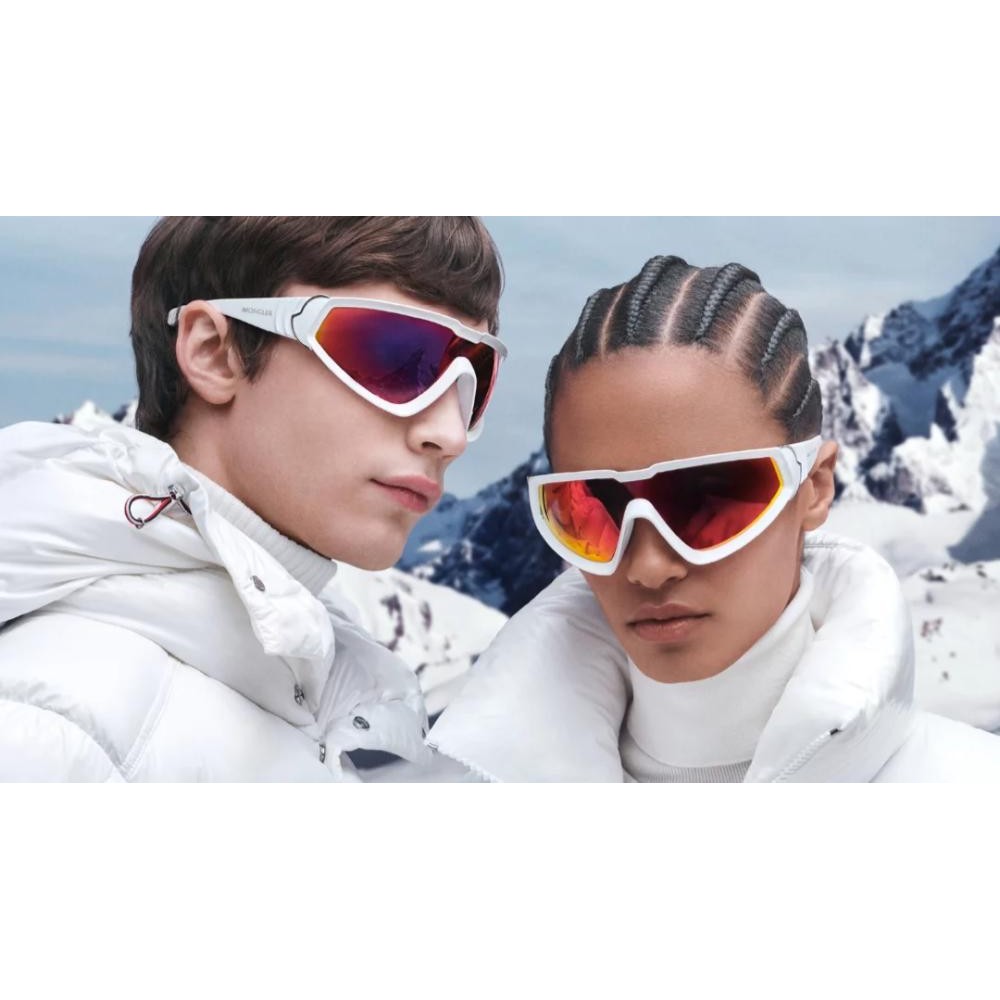
Predicting Consumer Choice: A Comparative Analysis of Adidas and Moncler Ski Goggles
07/10/2025 | OchilaS
Prediction markets, platforms where participants trade contracts based on the likelihood of future events, have emerged as powerful tools for forecasting trends and gauging public sentiment. Applying this concept to consumer goods allows us to explore which brand might be favored in a particular market segment. In this case, we will analyze the potential success of Adidas and Moncler ski goggles by examining key factors influencing consumer choice.
Brand Perception and Market Positioning:
Adidas and Moncler occupy distinct niches within the sportswear and luxury apparel markets respectively. Adidas is renowned for its performance-driven products, catering to athletes and active individuals seeking functionality and innovation. Moncler, on the other hand, is synonymous with high-end fashion and après-ski lifestyle, appealing to consumers who prioritize style and exclusivity.
This fundamental difference in brand positioning influences consumer expectations regarding ski goggles. Adidas goggles would likely be perceived as technologically advanced, durable, and performance-oriented, attracting skiers prioritizing functionality and value for money. Moncler goggles, conversely, would be seen as luxurious fashion accessories, emphasizing aesthetics, premium materials, and brand recognition among style-conscious consumers.
Product Features and Design:
Beyond brand perception, the actual features and design of the ski goggles play a crucial role in consumer choice. Key considerations include lens technology (anti-fogging, UV protection, visibility enhancement), frame material and fit (comfort, durability), and aesthetic appeal.
Adidas might leverage its expertise in sports technology to offer goggles with advanced lens coatings for optimal clarity and performance in varying weather conditions. They could prioritize functional designs prioritizing a secure fit and ventilation for prolonged comfort.
Moncler, conversely, would likely focus on incorporating premium materials like high-grade acetate or metal into their frames, emphasizing unique design elements and branding details that align with their luxury positioning. The lens technology might still be advanced, but the emphasis could be on aesthetics and visual appeal rather than purely functional enhancements.
Price Point and Target Audience:
The price point of ski goggles significantly influences consumer choice, directly correlating with brand perception and target audience. Adidas, known for its accessibility, would likely offer a wider range of goggles at varying price points, catering to both budget-conscious and performance-oriented skiers.
Moncler's luxury positioning would translate into a higher price point, targeting affluent consumers who prioritize exclusivity and high-end design over pure functionality.
Marketing and Distribution Channels:
Effective marketing and distribution strategies are crucial for driving consumer awareness and purchase decisions. Adidas, with its global reach and established sports marketing channels, could leverage athlete endorsements and partnerships to promote its ski goggles among a broad audience of skiers.
Moncler, known for its exclusive boutiques and collaborations with luxury retailers, would likely employ a more targeted approach, focusing on high-end publications, influencer marketing, and curated experiences to attract their discerning clientele.
Predicting Market Success:
While definitively predicting consumer preference between Adidas and Moncler ski goggles is impossible without empirical data, analyzing the aforementioned factors provides valuable insights.
Adidas's focus on performance, affordability, and accessibility might appeal to a larger segment of skiers seeking functional and reliable gear. Conversely, Moncler's emphasis on luxury, exclusivity, and style could attract a niche market of fashion-conscious consumers willing to invest in premium ski goggles as a status symbol.
Ultimately, the success of each brand depends on their ability to effectively communicate their unique value proposition to their target audience and deliver a product that meets consumer expectations within its respective market segment. Prediction markets could provide further insights by allowing participants to trade contracts based on the perceived likelihood of each brand's success, ultimately revealing the collective wisdom of the market regarding this competitive landscape.